Tarmac & Resin Installations for Car Parks, Roads & More
Commercial Surfacing Services in Lymington
Commercial Access Road Installations in Lymington
Apollo Surfacing specialises in high-quality tarmac and resin bound installations for car parks, roads, and access routes throughout Lymington and the surrounding area. With over 40 years of industry experience, we deliver durable, professional results that stand up to heavy traffic and demanding environments. From new commercial construction to resurfacing and repair work, our expert team provides reliable, long-lasting solutions tailored to your site.
Contact Us Now

Road Surfacing in Lymington
Roadways at town-centre businesses and sites towards Pennington in Lymington can be affected by commercial deliveries, visitor parking and narrow approaches, making preparation important before a new wearing course is laid. Apollo Surfacing assesses the supporting ground, vehicle weight and drainage when planning commercial tarmac and asphalt surfacing. Private access routes, service yards and car park roads may have different loading needs. We aim for durable construction, stable edges and practical joins to existing surfaces.
Drawing on more than 40 years of experience, our SafeContractor-approved and Street Works-qualified team considers working hours and safe site access alongside the construction. In Lymington, resurfacing may need to be phased so customers or deliveries can still reach businesses. Our team pays attention to water falls, junctions and edge restraint rather than focusing on appearance alone. We aim to provide resilient surfacing that supports everyday commercial operations without avoidable disturbance.
Lymington Car Park Surfacing
Whether renewing an existing car park or preparing a new one, commercial premises such as marine trades, shops and visitor facilities need a surface designed for their actual traffic. We examine access, levels and supporting layers. Along the harbour and New Forest approaches, entrances and pedestrian routes may be shared by several users. Correct compaction and surface-water falls are important before the final finish is laid. A new top layer alone will not correct a failing foundation.
For Lymington commercial sites, the final layout should also take account of drainage outlets, turning space and pedestrian access before new parking bays are brought into use. A parking area close to the harbour and New Forest approaches may need to remain partly open while work progresses. We plan the sequence, transitions and any bay or directional markings with the site operator. Apollo Surfacing works on new parking installations and refurbishment, with attention to appropriate materials and practical workmanship. Read about our wider car park surfacing services and the options for different commercial sites.

Resin Bound Surfacing in Lymington
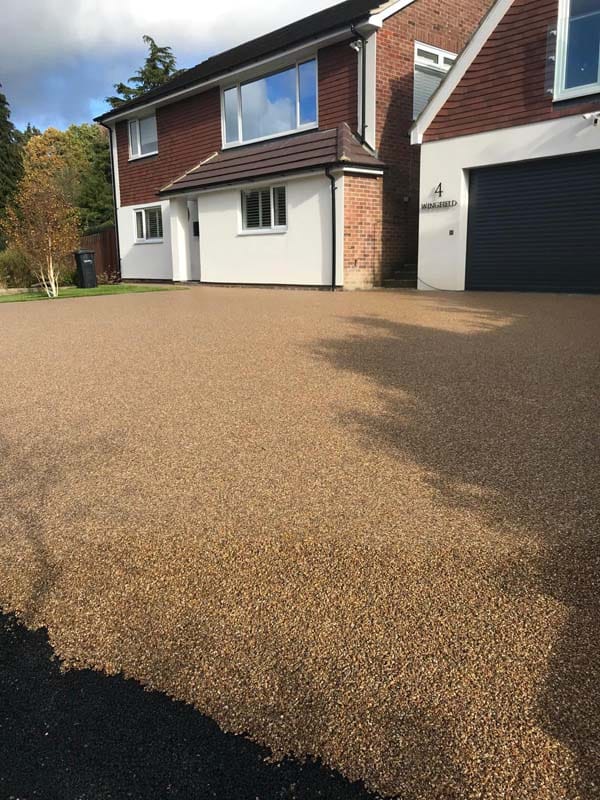
For marine trades, shops and visitor facilities, resin bound can provide a decorative alternative to plain asphalt on paths and public-facing spaces. We assess drainage, base condition and likely loading before installation. For properties near the harbour and New Forest approaches, a well-chosen finish can complement walls, landscaped areas and adjoining asphalt. The planned construction must match the use rather than relying on appearance alone.
At premises in Lymington, the aggregate finish should be selected for its intended use, with close attention to the underlying preparation, edge details and maintenance expectations. The top layer alone cannot solve drainage problems. For sites around the harbour and New Forest approaches, we assess the whole build-up and whether edges and neighbouring surfaces are suitable. Apollo Surfacing considers colour blends, wear and access during installation. Learn more about our commercial resin bound surfacing service and how we match decorative materials to working premises.
Dropped Kerb Installation in Lymington
Businesses in Lymington may require a new or altered access crossing. Its position must account for pedestrian routes, gradients, existing highway features and the vehicles expected to use it. The aim is a usable entrance built for the expected vehicle loading, without creating an unsuitable transition across the pavement. Careful positioning is essential before excavation begins.
Where premises connect to the harbour and New Forest approaches, the proposed crossing needs to meet the private entrance at suitable levels. The relevant authority must approve alterations to the public highway. We can discuss how the new kerb would join the existing access road, including the likely need for appropriate traffic management and drainage. The approval process must be completed before authorised work proceeds.
Sound groundwork and correct levels help the crossing perform under repeated use. We discuss safe working arrangements and the connection to any existing car park or yard. For further information about the process and available options, visit our dropped kerb installation service page. Each commercial crossing is planned around its site rather than a standard detail.


Lymington Pot Hole Repairs
Commercial potholes around town-centre businesses and sites towards Pennington in Lymington may worsen under commercial deliveries, visitor parking and narrow approaches, especially where water reaches damaged layers. Apollo Surfacing offers commercial pothole and tarmac repairs after assessing the visible defect, surrounding edges and base condition. We aim to reinstate appropriate material and provide a level, reliable area for vehicles and pedestrians.
Our team considers how repairs can be completed while protecting access to Lymington businesses. We plan around trading times, delivery vehicles and any nearby drains or pedestrian routes. Suitable compaction and tidy connections to existing surfacing help extend the useful life of the reinstated area. If defects are widespread, we discuss broader resurfacing rather than repeated short-term patches, aiming to reduce standing water and avoidable hazards.
Line Marking in Lymington
For Lymington business parking areas near town-centre businesses and sites towards Pennington, commercial deliveries, visitor parking and narrow approaches need clear routes and sensible bay layouts. Apollo Surfacing offers commercial parking and access line marking, including arrows, bays, pedestrian routes and loading spaces. We review the way vehicles circulate and the condition of the existing tarmac to help create visible, practical markings.
Marking work can be scheduled around business activity, particularly when parking or service routes must remain available in Lymington. We can coordinate new layouts with resurfacing or renew worn lines where the existing arrangement still works. Material selection, bay widths and pedestrian access all deserve attention before installation. The objective is a legible, orderly site that supports everyday visitors and delivery vehicles.

About Us
A well-maintained surface is an important part of keeping commercial premises in Lymington safe and welcoming. Serving properties around the town’s marine businesses, shops and coastal visitor traffic, Apollo Surfacing draws on more than 40 years in the trade to install and renew tarmac and asphalt across harbour-side business access, customer parking and commercial approaches. Our focus is on suitable materials, careful preparation and a finish built for everyday business use.
Whether a Lymington property needs a complete surface renewal or targeted repairs, we consider the operating needs of the site from the outset. Our SafeContractor-approved team has relevant street works qualifications and works to coordinate access for staff, customers and deliveries. We can also renew line markings to improve circulation and make parking arrangements easier to follow.


Commercial Surfacing, Repairs & Line Marking – FAQs
Can you improve industrial yards and parking areas in Lymington?
A useful commercial surface begins with an assessment of traffic and the existing ground. For premises such as visitor areas and marine-service vehicle access, repeated loading can affect the edges and base. In Lymington, the use of the premises and the likely vehicle weights help determine the construction.
We inspect the present surface and supporting layers before recommending a treatment. Surface-water falls, vehicle loading and the connection to adjoining paths all affect the likely scope. The site assessment should identify ground preparation and whether water can drain lawfully. Good levels and a suitable base contribute to a more dependable result.
What should a site manager plan before work starts?
The work programme should reflect the busiest arrival periods and any deliveries that cannot easily be moved. Where visitor areas and marine-service vehicle access, separating contractors from visitors is particularly important. The scope of the work and the time needed for safe construction will guide the arrangements.
A clearly communicated programme makes it easier for occupiers to plan parking and deliveries. Safe pedestrian movement must remain a priority. For local businesses, the priority is a workable plan that considers staff, visitors and delivery drivers.
How are visitor and service-vehicle routes marked?
A clear layout can help drivers find appropriate bays without blocking working entrances. Around visitor areas and marine-service vehicle access, directional arrows and pedestrian routes may be useful. Surface condition and the needs of site users should guide the marking design.
Markings may include arrows, accessible bays and pedestrian guidance, subject to the needs of the site. They should follow a practical, agreed plan. We also consider whether a new car park layout is being introduced or older markings are simply being refreshed.
When is patching a damaged surface worthwhile?
A small defect can sometimes be patched, but repeated cracking may indicate movement in the supporting layers. Around visitor areas and marine-service vehicle access, the surrounding asphalt should be checked for hidden weakness. It is important to establish whether the defect is only in the wearing course.
A sound repair must address water penetration and instability beneath the affected area. Otherwise the same weakness can reappear through fresh asphalt. Decisions about the repair should reflect site traffic and the condition of the surrounding ground.
What affects the choice between asphalt and resin bound?
Resin bound can provide an attractive aggregate finish at entrances and walkways; asphalt may better suit frequent turning by service vehicles. The design for visitor areas and marine-service vehicle access should also consider drainage. The type of surface should be chosen for actual use, not only the appearance of a sample.
For any resin bound area, the foundation must suit the traffic. A decorative finish will not cure underlying structural weakness. We can discuss the practical differences before work is specified.
Is phased resurfacing possible while a site stays open?
Working around trading hours depends on site size, the construction needed and safe separation from the public. We would agree the operating constraints before choosing a sequence. Site managers should identify any critical business activities before work is booked. Harbour-related businesses may need to coordinate repair timing with marine-service movements.
Separating work areas from customers is essential, even if the project is relatively small. A practical alternative access route may be required. The finished surface also needs time before it can take regular traffic again.
When does changing a vehicle crossing require consent in Lymington?
Works entirely within private boundaries differ from altering the public pavement. A new vehicle crossing needs the appropriate highway approval and must follow its construction specification. For sites in Lymington, the access arrangement and nearby highway features can affect what is allowed.
The crossing must connect to the private entrance at appropriate levels without creating an unsafe obstruction along the footway. Construction follows the authority’s conditions. We can discuss the likely application and construction process without implying that approval is guaranteed.
How do drainage and maintenance affect lifespan?
Keeping drainage outlets clear helps protect the asphalt foundation. On visitor areas and marine-service vehicle access, repeated wheel movements may concentrate wear at the same turning or braking points. Routine inspections are useful even when the surface looks generally sound.
Prompt attention to blocked drainage and damaged edges can avoid more disruptive reconstruction later. Record recurring defects so their cause can be assessed. For commercial premises around Lymington, maintenance should be matched to traffic and drainage conditions.
Commercial surface improvements across Lymington, with attention to shared access for service vehicles and visitors, safe access and long-term wear.

Commercial Roads That Perform
Site use determines the surfacing specification. For businesses around Lymington, we consider shared access for service vehicles and visitors alongside access widths, braking points and likely traffic volumes. The proposed tarmac or asphalt surface is then chosen to meet practical needs while giving the premises a consistent and professional finish.

Ground Preparation with Purpose
Entrances, drains and adjoining surfaces all affect the finished levels on commercial property in Lymington. We consider compaction, base condition and run-off before work begins, aiming to resolve weaknesses rather than covering them. This makes the proposed repair or resurfacing specification more useful over time.

Qualified Commercial Surfacing Team
An occupied site needs a coordinated approach to surfacing. In Lymington, we discuss operating hours and the impact of shared access for service vehicles and visitors before arranging work. Apollo's team combines over four decades of experience with SafeContractor approval and relevant street works qualifications, helping clients understand the programme and access arrangements.
Commercial Pothole Repairs for Lymington Sites
When an estate road or parking bay breaks up, delay can allow water and traffic to enlarge the damaged section. In Lymington, harbour-facing forecourts and visitor parking can put particular strain on entrances, corners and service routes. We assess the depth and spread of failure before selecting a suitable pothole repair method. Removing unsound material, restoring support and matching surrounding levels can be more effective than repeated superficial filling. Work is organised around the traffic patterns and practical constraints of the business.
Clear Line Marking for Lymington Businesses
Accurate line marking is important when a business wants to reconfigure parking after resurfacing. Around marina-related trades and town-centre services, customer access mixed with working vehicles may make the position of lines especially important. We consider bay sizes, walking routes and manoeuvring space when discussing the new layout. Depending on the specification, durable thermoplastic markings can identify bays, arrows, designated parking and pedestrian routes. We discuss visibility, surface condition and practical access before arranging the work.
Dropped Kerb Access for Lymington Premises
A dropped kerb may be necessary when a previously pedestrian-only frontage is intended for vehicle access. For commercial plots near marina-related trades and town-centre services, customer access mixed with working vehicles may influence the width or position of a proposed crossing. The proposal must be checked against local highway requirements before any kerb is lowered. Public-footway alterations require the highway authority’s consent. Our team can discuss suitable materials, drainage and how the finished crossing joins the site.
Experienced Commercial Surfacing in Lymington
Site managers need to know what will be repaired, how it will be prepared and what disruption to expect. For Lymington properties such as harbour-facing forecourts and visitor parking, we consider access, safe working areas and how the job can be sequenced around business activity. With more than 40 years of experience, SafeContractor approval and relevant street works qualifications, our team discusses these points before work proceeds. The focus is lasting practicality.
Trusted by Businesses Across the Region

Based in Hampshire, Apollo Surfacing provides a full range of commercial surfacing services across Hampshire, Buckinghamshire, Oxfordshire, Surrey, and Wiltshire, covering towns, cities, and industrial areas throughout the region:
If you’d like to discuss your commercial surfacing needs, we’d be happy to help. Whether it’s a new car park, access road, resurfacing, or line marking, we’re here to offer expert advice and tailored solutions to suit your site, schedule, and budget: