Tarmac & Resin Installations for Car Parks, Roads & More
Tarmac & Asphalt Surfacing in Lymington
Commercial Access Road Installations in Lymington
Apollo Surfacing specialises in high-quality tarmac and resin bound installations for car parks, roads, and access routes throughout Lymington and the surrounding area. With over 40 years of industry experience, we deliver durable, professional results that stand up to heavy traffic and demanding environments. From new commercial construction to resurfacing and repair work, our expert team provides reliable, long-lasting solutions tailored to your site.
Contact Us Now

Road Surfacing in Lymington
Roadways at town-centre businesses and sites towards Pennington in Lymington can be affected by commercial deliveries, visitor parking and narrow approaches, making preparation important before a new wearing course is laid. Apollo Surfacing assesses the supporting ground, vehicle weight and drainage when planning commercial tarmac and asphalt surfacing. Private access routes, service yards and car park roads may have different loading needs. We aim for durable construction, stable edges and practical joins to existing surfaces.
Drawing on more than 40 years of experience, our SafeContractor-approved and Street Works-qualified team considers working hours and safe site access alongside the construction. In Lymington, resurfacing may need to be phased so customers or deliveries can still reach businesses. Our team pays attention to water falls, junctions and edge restraint rather than focusing on appearance alone. We aim to provide resilient surfacing that supports everyday commercial operations without avoidable disturbance.
Lymington Car Park Surfacing
Whether renewing an existing car park or preparing a new one, commercial premises such as marine trades, shops and visitor facilities need a surface designed for their actual traffic. We examine access, levels and supporting layers. Along the harbour and New Forest approaches, entrances and pedestrian routes may be shared by several users. Correct compaction and surface-water falls are important before the final finish is laid. A new top layer alone will not correct a failing foundation.
For Lymington commercial sites, the final layout should also take account of drainage outlets, turning space and pedestrian access before new parking bays are brought into use. A parking area close to the harbour and New Forest approaches may need to remain partly open while work progresses. We plan the sequence, transitions and any bay or directional markings with the site operator. Apollo Surfacing works on new parking installations and refurbishment, with attention to appropriate materials and practical workmanship. Read about our wider car park surfacing services and the options for different commercial sites.

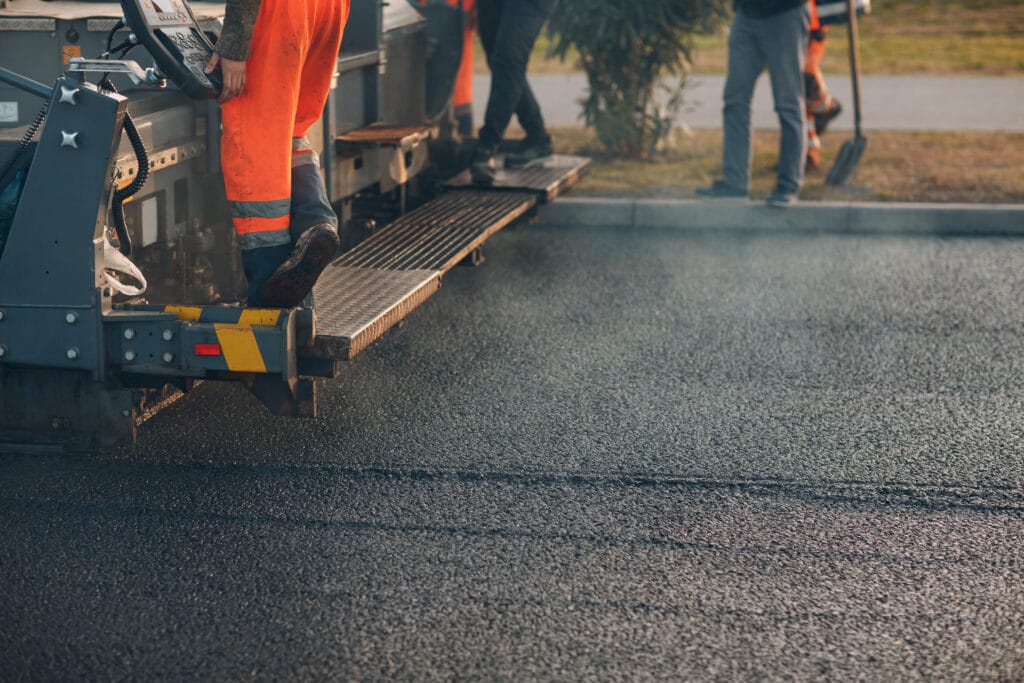
Commercial Tarmac Repairs & Resurfacing in Lymington
Commercial roads, forecourts and yards in Lymington must withstand regular deliveries, turning vehicles and daily use. Cracks, potholes and uneven tarmac can create hazards and worsen if left untreated. We inspect the surface, supporting base and drainage to decide whether targeted asphalt repairs, patching or wider resurfacing is most appropriate. Localised defects may only need damaged sections removed and replaced, while widespread wear or structural failure can require a new wearing course or deeper reconstruction.
Apollo Surfacing carries out commercial tarmac repairs and resurfacing for business premises, industrial access roads, parking areas and service yards across Lymington and the surrounding area. We tailor each solution to traffic levels, vehicle loading and the condition of the existing surface. Work can be planned in stages to help businesses maintain essential access wherever practical. Proper preparation, durable materials and careful installation help deliver safe, even surfaces and lasting repairs.
Commercial Tarmac & Asphalt Surfacing – FAQs
Can you improve industrial yards and parking areas in Lymington?
A useful commercial surface begins with an assessment of traffic and the existing ground. For premises such as visitor areas and marine-service vehicle access, repeated loading can affect the edges and base. In Lymington, the use of the premises and the likely vehicle weights help determine the construction.
We inspect the present surface and supporting layers before recommending a treatment. Surface-water falls, vehicle loading and the connection to adjoining paths all affect the likely scope. The site assessment should identify ground preparation and whether water can drain lawfully. Good levels and a suitable base contribute to a more dependable result.
What should a site manager plan before work starts?
The work programme should reflect the busiest arrival periods and any deliveries that cannot easily be moved. Where visitor areas and marine-service vehicle access, separating contractors from visitors is particularly important. The scope of the work and the time needed for safe construction will guide the arrangements.
A clearly communicated programme makes it easier for occupiers to plan parking and deliveries. Safe pedestrian movement must remain a priority. For local businesses, the priority is a workable plan that considers staff, visitors and delivery drivers.
How are visitor and service-vehicle routes marked?
A clear layout can help drivers find appropriate bays without blocking working entrances. Around visitor areas and marine-service vehicle access, directional arrows and pedestrian routes may be useful. Surface condition and the needs of site users should guide the marking design.
Markings may include arrows, accessible bays and pedestrian guidance, subject to the needs of the site. They should follow a practical, agreed plan. We also consider whether a new car park layout is being introduced or older markings are simply being refreshed.
When is patching a damaged surface worthwhile?
A small defect can sometimes be patched, but repeated cracking may indicate movement in the supporting layers. Around visitor areas and marine-service vehicle access, the surrounding asphalt should be checked for hidden weakness. It is important to establish whether the defect is only in the wearing course.
A sound repair must address water penetration and instability beneath the affected area. Otherwise the same weakness can reappear through fresh asphalt. Decisions about the repair should reflect site traffic and the condition of the surrounding ground.
What affects the choice between asphalt and resin bound?
Resin bound can provide an attractive aggregate finish at entrances and walkways; asphalt may better suit frequent turning by service vehicles. The design for visitor areas and marine-service vehicle access should also consider drainage. The type of surface should be chosen for actual use, not only the appearance of a sample.
For any resin bound area, the foundation must suit the traffic. A decorative finish will not cure underlying structural weakness. We can discuss the practical differences before work is specified.
Is phased resurfacing possible while a site stays open?
Working around trading hours depends on site size, the construction needed and safe separation from the public. We would agree the operating constraints before choosing a sequence. Site managers should identify any critical business activities before work is booked. Harbour-related businesses may need to coordinate repair timing with marine-service movements.
Separating work areas from customers is essential, even if the project is relatively small. A practical alternative access route may be required. The finished surface also needs time before it can take regular traffic again.
When does changing a vehicle crossing require consent in Lymington?
Works entirely within private boundaries differ from altering the public pavement. A new vehicle crossing needs the appropriate highway approval and must follow its construction specification. For sites in Lymington, the access arrangement and nearby highway features can affect what is allowed.
The crossing must connect to the private entrance at appropriate levels without creating an unsafe obstruction along the footway. Construction follows the authority’s conditions. We can discuss the likely application and construction process without implying that approval is guaranteed.
How do drainage and maintenance affect lifespan?
Keeping drainage outlets clear helps protect the asphalt foundation. On visitor areas and marine-service vehicle access, repeated wheel movements may concentrate wear at the same turning or braking points. Routine inspections are useful even when the surface looks generally sound.
Prompt attention to blocked drainage and damaged edges can avoid more disruptive reconstruction later. Record recurring defects so their cause can be assessed. For commercial premises around Lymington, maintenance should be matched to traffic and drainage conditions.
About Us
A well-maintained surface is an important part of keeping commercial premises in Lymington safe and welcoming. Serving properties around the town’s marine businesses, shops and coastal visitor traffic, Apollo Surfacing draws on more than 40 years in the trade to install and renew tarmac and asphalt across harbour-side business access, customer parking and commercial approaches. Our focus is on suitable materials, careful preparation and a finish built for everyday business use.
Whether a Lymington property needs a complete surface renewal or targeted repairs, we consider the operating needs of the site from the outset. Our SafeContractor-approved team has relevant street works qualifications and works to coordinate access for staff, customers and deliveries. We can also renew line markings to improve circulation and make parking arrangements easier to follow.


Commercial surface improvements across Lymington, with attention to shared access for service vehicles and visitors, safe access and long-term wear.

Commercial Roads That Perform
Site use determines the surfacing specification. For businesses around Lymington, we consider shared access for service vehicles and visitors alongside access widths, braking points and likely traffic volumes. The proposed tarmac or asphalt surface is then chosen to meet practical needs while giving the premises a consistent and professional finish.

Ground Preparation with Purpose
Entrances, drains and adjoining surfaces all affect the finished levels on commercial property in Lymington. We consider compaction, base condition and run-off before work begins, aiming to resolve weaknesses rather than covering them. This makes the proposed repair or resurfacing specification more useful over time.

Qualified Commercial Surfacing Team
An occupied site needs a coordinated approach to surfacing. In Lymington, we discuss operating hours and the impact of shared access for service vehicles and visitors before arranging work. Apollo's team combines over four decades of experience with SafeContractor approval and relevant street works qualifications, helping clients understand the programme and access arrangements.
Commercial Pothole Repairs for Lymington Sites
When an estate road or parking bay breaks up, delay can allow water and traffic to enlarge the damaged section. In Lymington, harbour-facing forecourts and visitor parking can put particular strain on entrances, corners and service routes. We assess the depth and spread of failure before selecting a suitable pothole repair method. Removing unsound material, restoring support and matching surrounding levels can be more effective than repeated superficial filling. Work is organised around the traffic patterns and practical constraints of the business.
Commercial Asphalt Resurfacing in Lymington
Commercial sites in Lymington need an asphalt finish suited to day-to-day vehicle movements, loading areas and customer access. The existing surface, underlying construction and drainage should be considered before deciding how much material to renew. On a busy forecourt or private road, a well-planned resurfacing programme can improve levels, appearance and usability without unnecessary disruption. Apollo Surfacing discusses preparation, suitable asphalt specifications and how vehicles will enter and leave the premises during the work. The result is designed for the needs of that particular site rather than a one-size-fits-all treatment.
Tarmac and Asphalt Ground Preparation in Lymington
Good tarmac and asphalt work in Lymington starts with sound preparation. We assess the supporting base, expected loads, water run-off and the areas where vehicles turn or stop repeatedly. Depending on the condition of the existing surface, the work may involve removing damaged material, correcting levels and installing suitable layers before the final asphalt is laid. These details help support a consistent, hard-wearing finish across commercial parking and access areas. Our team works with site managers to plan practical access and sequencing, with particular attention to keeping unaffected parts of the premises usable where possible.
Experienced Commercial Surfacing in Lymington
Site managers need to know what will be repaired, how it will be prepared and what disruption to expect. For Lymington properties such as harbour-facing forecourts and visitor parking, we consider access, safe working areas and how the job can be sequenced around business activity. With more than 40 years of experience, SafeContractor approval and relevant street works qualifications, our team discusses these points before work proceeds. The focus is lasting practicality.
Trusted by Businesses Across the Region

Apollo Surfacing supports commercial premises in Lymington with durable tarmac and asphalt surfacing, access roads, forecourts and maintenance. Our work is planned around site traffic, deliveries and safe access for customers and staff. We also cover neighbouring business areas including Ringwood, New Milton, Blackfield. Explore the nearby locations below:
For commercial surfacing in Lymington, contact Apollo Surfacing to discuss new asphalt, tarmac resurfacing, pothole repairs or line marking. We can advise on a suitable approach for your premises, access requirements and working hours while keeping disruption to a minimum: